Worn, Not Washed: The Garment-Care Rituals That Keep European Wardrobes Alive for Decades
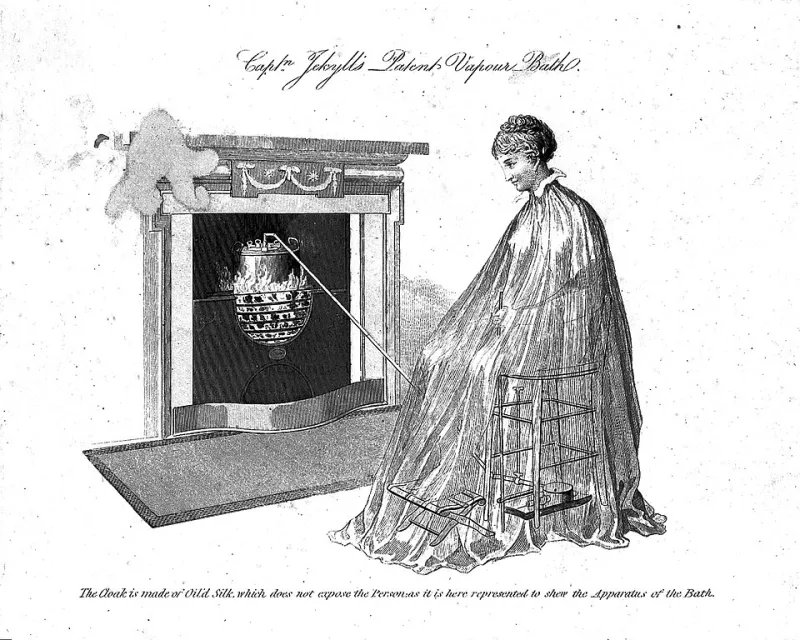
Photo: Unknown, CC BY 4.0, via Wikimedia Commons
The Secret Isn't What They Buy — It's What They Don't Do
Ask an American shopper how often they wash a sweater, and the answer is usually 'after every wear.' Ask a Parisian the same question, and you'll likely be met with a puzzled look. Not because hygiene is optional on the Left Bank, but because the entire framework of garment care is different. In much of Europe, clothing is treated the way Americans treat fine furniture: aired, brushed, spot-treated, and washed only when genuinely necessary.
This isn't laziness. It's a philosophy — one that treats a garment as a long-term resident of the wardrobe rather than a disposable commodity. And for American shoppers investing in quality pieces, whether from a French atelier or a heritage American label, it may be the single most valuable habit to import.
Why Washing Less Works
Every trip through a washing machine is a small act of violence against fabric. Hot water, agitation, and detergent strip natural oils from wool, degrade silk fibers, and fade dyes. Machine drying compounds the damage, shrinking and weakening textiles with each cycle.
European care culture — shaped partly by smaller in-home washers, partly by tradition — defaults to gentler interventions first. A garment hung near an open window overnight releases odors and moisture. A handheld steamer refreshes and sanitizes. A damp cloth and a drop of soap handle most stains long before the wash cycle is ever considered.
The result: a wool coat that lasts fifteen years instead of five, a silk blouse that keeps its luster, denim that develops character rather than thinning at the thighs.
The Care Hierarchy, Explained
Before reaching for the detergent, run through this sequence:
- Air it out. Hang the garment in a well-ventilated space — near a window, on a balcony, by a fan — for several hours or overnight. Body odors and ambient smells dissipate remarkably well on their own.
- Steam it. Steam kills odor-causing bacteria and relaxes wrinkles in one pass. A handheld steamer is the single best investment a wardrobe can make after good hangers.
- Spot-clean. Address stains locally with a damp cloth, mild soap, or a dedicated stain pen. Treat spills promptly; most never need to become load-wide problems.
- Brush it. A garment brush removes dust, lint, and surface soil from wool and tailored pieces — the equivalent of dusting a bookshelf.
- Wash, only when truly needed. When you do, cold water, gentle cycle, and half the recommended detergent.
A Field Guide by Fabric
Wool
Wool is self-cleaning to a remarkable degree — its fibers naturally resist odor and release moisture. Air wool sweaters and coats after wearing; brush them regularly; dry-clean a wool coat perhaps once per season, or not at all if it's spot-cleaned and aired consistently. Knits should be folded, never hung, to preserve their shape.
Silk
Despite its delicate reputation, silk is tougher than it looks. Air silk blouses after wear and steam out wrinkles. When washing is necessary, hand-wash in cool water with a pH-neutral soap, or use a machine's delicate cycle inside a mesh bag — then hang or lay flat to dry. Never wring, never tumble.
Denim
Raw and selvedge denim enthusiasts have long championed the 'wash rarely' doctrine, and the logic extends to all quality jeans. Spot-clean what you can, freeze the jeans overnight if odor is a concern (it genuinely works), and wash a few times a year in cold water, inside out, hung to dry. The denim fades with intention rather than accident.
Care as the Final Step of Buying Less
The 'buy less, wear longer' movement has focused heavily on the front end — choosing better, buying once. But care is the back end of the same equation, and it's where the math actually closes. A $400 blazer washed weekly might last two years; cared for properly, it might last twenty. The cost per wear collapses.
There's also a quieter pleasure in the ritual itself. Steaming a blouse on a Sunday morning, brushing a coat before hanging it — these small acts build a relationship with what you own. They slow consumption down at the point where it matters most: after the purchase.
American retail taught us to chase the new. European wardrobes suggest a different ambition: to own fewer things, know them intimately, and keep them alive as long as possible. The laundry room, it turns out, is where a wardrobe's fate is decided.