The Slow Stitch: How Heritage Craftsmanship Became America's Most Coveted Commodity

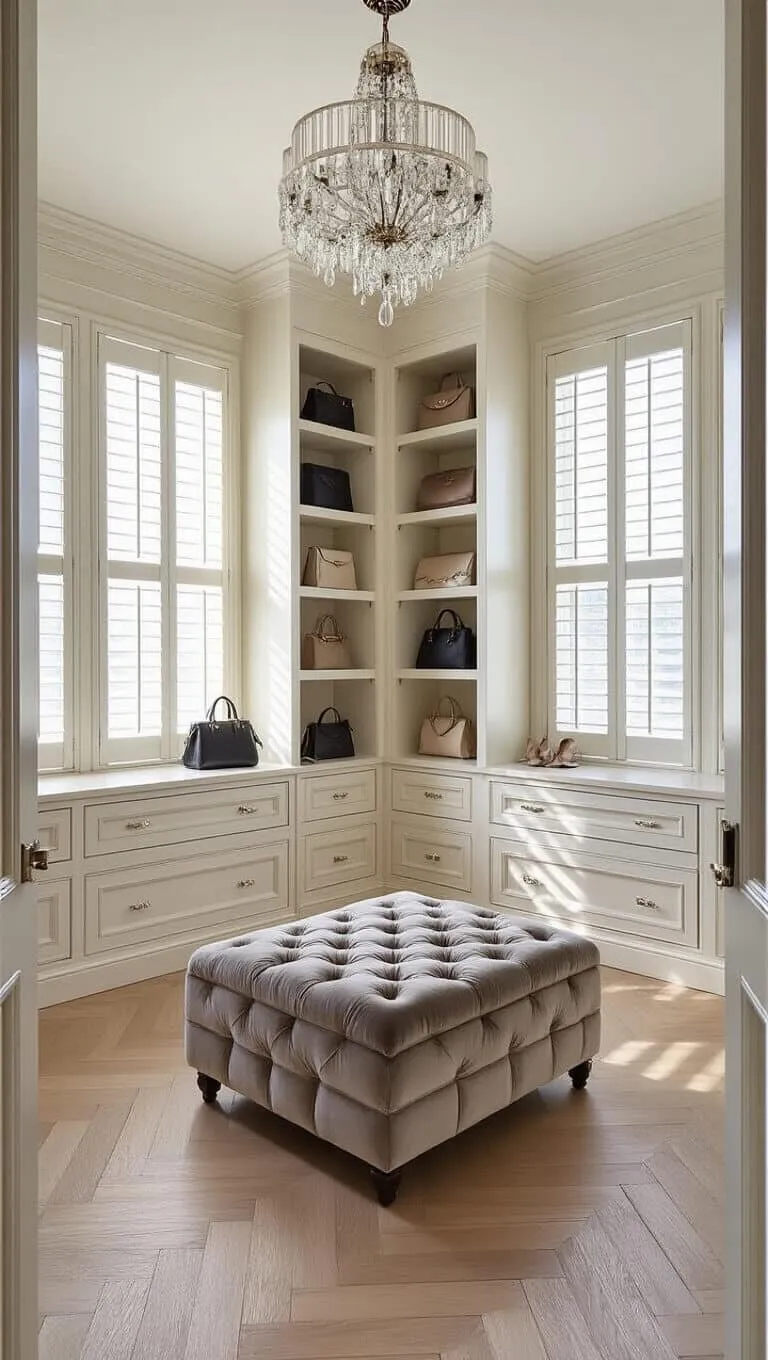
Photo: Stilfehler, CC BY-SA 4.0, via Wikimedia Commons
For two decades, American luxury was measured in decibels. The logo was loud, the turnover was fast, and the closet was full. Something has shifted. Walk through any affluent American neighborhood today and the quietest coats are the most expensive ones — unbranded cashmere, a shoulder line cut by hand, a pair of shoes that will be resoled four times before they are retired.
This is not a trend cycle. It is a value judgment, and it deserves to be taken seriously.
The Arithmetic of Enough
Consider the honest math. A fast-fashion wool coat at $180, replaced every two seasons, costs $540 over six years and spends most of that time pilling in the back of a closet. A hand-finished coat from a heritage maker at $1,400, resoled and rewoven as needed, can plausibly last fifteen. The premium per year of service is modest. The difference in how the garment ages — and in how its owner feels wearing it — is not.
The same calculus holds across the wardrobe. Leather goods from small ateliers routinely outlast three rounds of their mass-market equivalents. Tailored trousers, altered and maintained, cost less per wear than anything hanging in a fast-fashion cart. American shoppers, particularly those under forty, have run these numbers — and increasingly, they do not like what the cheap option was actually charging them.
The Atelier Ascendant
What has changed on the supply side is access. A decade ago, buying from a small European workshop meant a pilgrimage, a contact, and a wait measured in months. Today, a handful of family-run ateliers — Neapolitan shirtmakers, Northampton shoemakers, Tuscan leather houses on their third or fourth generation — sell directly to American customers, ship across the Atlantic in a week, and publish their processes openly. The mystique is gone; in its place is something better: verifiable craft.
The American response has been to build its own ecosystem around these makers. Resale platforms now price heritage pieces on condition and provenance rather than logo recognition. Repair services, once the province of a cobbler on a disappearing corner, have rebranded as concierge businesses with waitlists. Even department stores, those great cathedrals of the seasonal churn, have carved out floors dedicated to pieces meant to be kept.
A Redefinition, Not a Rejection
It would be easy to frame this as anti-fashion, but that misreads it. The American shopper buying a hand-stitched blazer is not rejecting style; she is rejecting disposability. The distinction matters. Fast fashion sold the idea of a wardrobe that never repeats. Slow luxury sells a wardrobe that never expires.
There is also a quieter motivation at work: provenance. In an era of opaque supply chains, a garment with a named maker, a known workshop, and a repair guarantee offers something the logo never did — accountability. Knowing who made your coat has become a form of luxury that cannot be counterfeited.
The Buyer's Checklist
For those ready to convert intention into purchases, the disciplined approach is short:
- Buy the third piece first. The coat, the blazer, the bag — the items seen most often and worn longest.
- Interrogate the construction. Full canvas over fused, stitched leather over glued, natural fibers over synthetics. Craft announces itself in the seams.
- Budget for maintenance. A $1,200 shoe budget without a resoling plan is a fast-fashion budget in disguise.
- Buy less often, on purpose. One considered purchase per quarter outperforms twelve impulsive ones per year.
- Demand repairability. If a maker cannot repair it, they do not expect it to last — and neither should you.
The Lafayette Standard
The name of this house borrows from a Frenchman who believed the New World could hold itself to Old World principles without losing its own character. That, in miniature, is what is happening in American closets right now. The craftsmanship is imported; the conviction is homegrown.
Luxury, it turns out, was never about the logo. It was always about the stitch — and America has finally learned to look closely.